Last Updated: June 27, 2026
This comprehensive guide covers everything you need to know about common injuries, from everyday sprains and strains to severe trauma classifications. Whether you’re an athlete, healthcare professional, or someone seeking to understand injury types and severity levels, this post explains the 12 most frequently occurring injuries, identifies which injuries cause the most pain, and clarifies what medical professionals mean when they refer to a “Type 3 injury.”
The 12 Most Common Injuries: A Complete Overview of Frequently Occurring Trauma
While injuries can vary widely depending on environment and activity, certain types appear frequently across populations. Here are 12 of the most common injuries people experience:
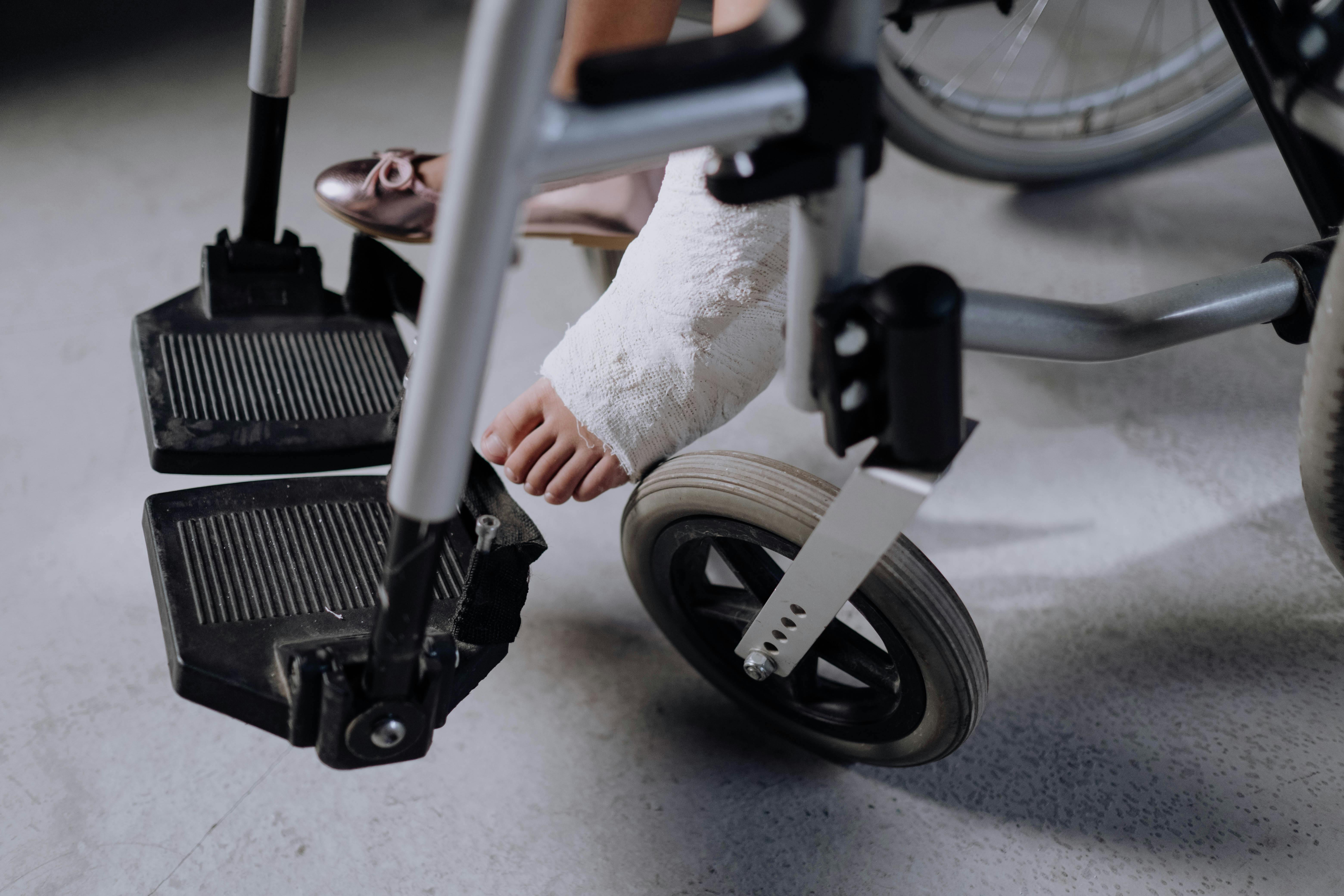
1. Sprains: Ligament Stretching and Tears
A sprain occurs when ligaments—the tissues connecting bones—are stretched or torn. The ankle is the most commonly affected joint. Sprains often result from sudden twists or falls and can range from mild overstretching to complete tears.
2. Strains: Muscle and Tendon Injuries
Strains involve muscles or tendons and are typically caused by overuse, improper lifting, or sudden force. Common areas include the back and hamstrings.
3. Fractures (Broken Bones): From Simple Cracks to Compound Breaks
Fractures occur when a bone cracks or breaks due to trauma or stress. These can be simple (clean breaks) or compound (where the bone pierces the skin), with varying recovery times.
4. Dislocations: When Bones Shift Out of Position
A dislocation happens when a bone is forced out of its normal position in a joint. Shoulders, fingers, and elbows are particularly vulnerable.
5. Cuts and Lacerations: Skin Breaks and Open Wounds
These injuries involve breaks in the skin caused by sharp objects or impact. While some are superficial, deeper lacerations may require stitches or surgical repair.
6. Bruises (Contusions): Soft Tissue Damage from Blunt Force
Bruises result from blunt force trauma that damages blood vessels beneath the skin, causing discoloration and tenderness.
7. Burns: Thermal, Chemical, and Electrical Injuries
Burns can be caused by heat, chemicals, electricity, or radiation. They are classified by severity, ranging from first-degree (mild) to third-degree (severe).
8. Concussions: Traumatic Brain Injuries from Head Impact
A concussion is a type of traumatic brain injury caused by a blow to the head. Symptoms can include headaches, dizziness, confusion, and memory issues.
9. Tendonitis: Inflammation from Repetitive Motion
This is inflammation of a tendon, often due to repetitive motion. Common examples include tennis elbow and Achilles tendonitis.
10. Knee Injuries: ACL Tears and Ligament Damage
Knee injuries often involve ligaments like the ACL (anterior cruciate ligament) and are common in athletes. These injuries can significantly impact mobility.
11. Back Injuries: From Muscle Strains to Herniated Discs
Back injuries range from muscle strains to herniated discs. Poor posture, heavy lifting, and accidents are common causes.
12. Whiplash: Neck Trauma from Rapid Movement
Whiplash is a neck injury caused by rapid back-and-forth motion, often occurring in car accidents. It can lead to stiffness, pain, and reduced range of motion.
According to the Centers for Disease Control and Prevention (CDC), unintentional injuries account for over 24 million emergency department visits annually in the United States, with sprains, strains, and fractures consistently ranking among the most frequently treated conditions.
Which Type of Injury Hurts the Most? Understanding Pain Severity by Injury Type
Pain is subjective, but certain injuries are widely recognized as being particularly severe due to the intensity and persistence of discomfort they cause. While tolerance varies from person to person, medical professionals and patient reports consistently identify several types of injuries as especially painful.
Severe Burns: Deep Tissue and Nerve Damage
Third-degree burns are often considered among the most painful injuries. They damage not only the outer skin but also deeper tissues, sometimes affecting nerves. Interestingly, the most severe burns may initially feel less painful if nerve endings are destroyed, but surrounding areas can cause excruciating pain.
Kidney Stones (Not an Injury, But Comparable Pain)
Though not technically an injury, kidney stones are frequently cited as one of the most painful conditions a person can experience, often compared to childbirth.
Bone Fractures (Especially Compound Fractures): Immediate and Intense Pain
Broken bones can be intensely painful, particularly when the bone is displaced or pierces the skin. The pain is immediate and often worsens with movement.
Nerve Injuries: Sharp, Shooting, and Persistent Pain
Damage to nerves can result in sharp, shooting, or burning pain that can persist long after the initial injury. Conditions like sciatica fall into this category.
Herniated Discs: Radiating Spinal Pain
When a spinal disc slips out of place and presses on nerves, it can cause severe, radiating pain that affects the back and limbs.
Migraines Triggered by Head Injury: Post-Traumatic Headache Pain
Concussions and other head injuries can lead to debilitating migraines, which are often described as pulsating, intense, and long-lasting.
Complex Regional Pain Syndrome (CRPS): Chronic Pain After Injury
This chronic condition can develop after an injury and causes severe, prolonged pain that is disproportionate to the initial trauma.
Ultimately, the “most painful” injury depends on multiple factors, including severity, location, nerve involvement, and individual pain thresholds. However, injuries involving nerves, deep tissue damage, or extensive inflammation tend to rank highest in terms of pain.
What Is a Type 3 Injury? Medical Classification Systems Explained
The term “Type 3 injury” can have different meanings depending on the context in which it is used. It is not a universal classification but appears in several medical and trauma-related systems. Understanding its meaning requires looking at the specific framework being referenced.
1. Type 3 Injury in Trauma Classification: Severe and High-Grade Injuries
In trauma care, injuries are sometimes categorized by severity. While not standardized across all systems, a “Type 3” injury often refers to a severe or high-grade injury requiring significant medical intervention.
For example, in soft tissue injuries or ligament damage:
-
Type 1: Mild injury (minor stretching or microscopic tears)
-
Type 2: Moderate injury (partial tear)
-
Type 3: Severe injury (complete tear or rupture)
In this context, a Type 3 injury represents the most serious level, often requiring surgery or long-term rehabilitation.
2. Type 3 Open Fractures: The Gustilo-Anderson Classification
In orthopedic medicine, particularly in the Gustilo-Anderson classification system, a Type 3 fracture is a severe open fracture. This means:
-
The bone is broken and exposed through the skin
-
There is extensive soft tissue damage
-
There is a high risk of infection
Type 3 fractures are further divided into subcategories (3A, 3B, 3C) depending on the extent of damage and vascular involvement. These injuries are medical emergencies and often require multiple surgeries.
3. Type 3 Shoulder Separation: Complete AC Joint Ligament Tears
In joint injuries, such as acromioclavicular (AC) joint separations in the shoulder:
-
Type 1: Minor sprain
-
Type 2: Partial tear
-
Type 3: Complete tear of ligaments
A Type 3 shoulder separation involves significant displacement of the joint and may require surgical intervention, depending on the patient’s activity level and symptoms.
Why Understanding Injury Severity Matters for Treatment and Recovery
Knowing whether an injury is mild, moderate, or severe—such as identifying a Type 3 injury—can significantly impact treatment decisions and recovery outcomes.
Treatment Planning: Matching Care to Injury Severity
Mild injuries may only require rest and physical therapy, while severe injuries often demand surgery, medication, and extended rehabilitation.
Recovery Time: What to Expect Based on Injury Grade
A sprain might heal in a few weeks, but a Type 3 ligament tear or open fracture could take months—or even longer—to fully recover.
Risk of Complications: Infection, Chronic Pain, and Disability
Severe injuries carry higher risks of complications, including infection, chronic pain, reduced mobility, and long-term disability.
Legal and Insurance Implications: How Severity Affects Compensation
In personal injury cases, the severity of an injury plays a major role in determining compensation. More severe injuries typically result in higher medical costs and greater damages.
Preventing Common Injuries: Safety Tips and Precautions
While not all injuries can be avoided, many can be prevented with proper precautions:
-
Use protective gear during sports and physical activities
-
Maintain proper form when lifting heavy objects
-
Stay physically conditioned to support muscles and joints
-
Be aware of surroundings to avoid slips and falls
-
Follow safety guidelines at work and on the road
Prevention not only reduces the risk of injury but also minimizes the likelihood of experiencing severe pain or long-term complications.
Conclusion: Key Takeaways About Common Injuries and Severity Classifications
Injuries come in many forms, but understanding the most common types—such as sprains, fractures, burns, and concussions—provides valuable insight into how and why they occur. Among these, injuries involving nerves, severe burns, and complex trauma tend to cause the most intense pain, though individual experiences can vary widely.
The concept of a Type 3 injury highlights the importance of severity classification in medicine. Whether referring to a complete ligament tear, a severe fracture, or a major joint injury, a Type 3 designation typically signals a serious condition requiring immediate and often intensive treatment.
By recognizing the nature and severity of injuries, individuals can make informed decisions about prevention, treatment, and recovery. Knowledge in this area is not just useful—it can be essential in protecting your health, managing pain, and ensuring the best possible outcomes after an injury occurs.
Frequently Asked Questions About Common Injuries and Severity Classifications
What is the difference between a sprain and a strain?
A sprain involves damage to ligaments, which are the tissues connecting bones at a joint, while a strain affects muscles or tendons. Sprains most commonly occur in the ankle, whereas strains frequently affect the back and hamstrings. Both injuries can range from mild overstretching to complete tears depending on the force of the trauma.
How long does it take for a Type 3 injury to heal?
Type 3 injuries typically require the longest recovery time because they involve complete tears or ruptures of tissues. Depending on the specific injury and treatment approach, recovery can take anywhere from several months to over a year. Surgical intervention and extensive physical therapy are often necessary for full rehabilitation.
Can a Type 3 ligament tear heal without surgery?
In some cases, Type 3 ligament tears may heal with conservative treatment including immobilization, physical therapy, and rest, particularly in less active individuals. However, athletes and those requiring full joint stability often require surgical repair. The decision depends on factors such as the patient’s activity level, age, and the specific ligament involved.
Why do nerve injuries cause such intense and long-lasting pain?
Nerve injuries cause severe pain because damaged nerves can send abnormal pain signals to the brain, resulting in sharp, burning, or shooting sensations. This type of pain, known as neuropathic pain, can persist long after the initial injury heals. Conditions like Complex Regional Pain Syndrome (CRPS) can develop, causing chronic pain disproportionate to the original trauma.
What is the Gustilo-Anderson classification system for fractures?
The Gustilo-Anderson classification system is used by orthopedic surgeons to categorize open fractures based on severity and soft tissue damage. Type 1 involves a clean wound less than 1 cm, Type 2 involves larger wounds with moderate soft tissue damage, and Type 3 indicates extensive soft tissue damage with high infection risk. Type 3 fractures are further subdivided into 3A, 3B, and 3C based on the extent of tissue loss and vascular injury.
What should I do immediately after sustaining a common injury like a sprain or strain?
The RICE protocol (Rest, Ice, Compression, Elevation) is recommended for initial treatment of sprains and strains to reduce swelling and pain. Avoid putting weight on the injured area and apply ice for 15-20 minutes every few hours during the first 48-72 hours. If pain is severe, the injury doesn’t improve within a few days, or you cannot bear weight, seek medical evaluation to rule out more serious damage.
Are certain people more prone to experiencing painful injuries?
Pain perception varies significantly based on individual factors including genetics, age, previous injury history, and overall health. People with conditions affecting nerve function or those with heightened pain sensitivity may experience injuries as more painful. Psychological factors such as anxiety and stress can also amplify pain perception following an injury.
📅 Last updated: